The Hidden Costs of an Unhealthy Diet: What It Really Means for Your Body and Mind
The Hidden Costs of an Unhealthy Diet: What It Really Means for Your Body and Mind
We all know someone who’s grabbed a bag of chips instead of an apple or reached for soda instead of water. Maybe that’s you, and honestly, that’s okay—life is busy, and sometimes convenience wins. But what happens when those choices become a habit? When unhealthy eating patterns take root and start steering the course of your health?
An unhealthy diet isn’t just about the occasional junk food binge or skipping a salad here and there. It’s a way of eating that consistently lacks balance, variety, and nutrients your body needs to thrive. Over time, this kind of diet can affect far more than your waistline. It impacts your energy, mood, immune system, and long-term health.
Let’s take a closer look at what an unhealthy diet really means, why it’s so common, the consequences it carries, and—most importantly—how small, manageable changes can help you reclaim your health without feeling overwhelmed or deprived.
What Does “Unhealthy Diet” Even Mean?
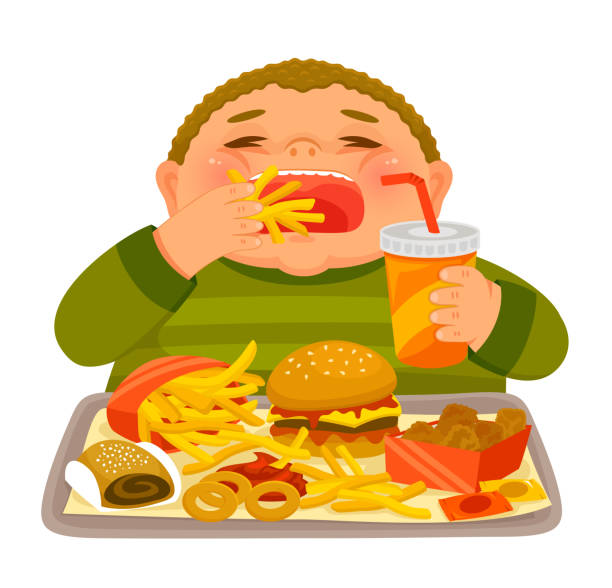
When we say “unhealthy diet,” we’re usually talking about eating habits that are heavy on processed foods, sugar, unhealthy fats, and refined grains, but low on fruits, vegetables, whole grains, and lean proteins. This might look like:
Eating fast food multiple times a week
Drinking sugary sodas or energy drinks regularly
Choosing snacks like candy bars or chips over nuts or fruit
Relying on highly processed meals that are quick but nutrient-poor
Skipping meals and then overeating later out of hunger
An unhealthy diet doesn’t mean you have to be perfect or never enjoy a treat. It’s about patterns. When the majority of your food choices are lacking in nutrients and high in empty calories, your body and mind start to suffer.
Why Is an Unhealthy Diet So Common?
Let’s be real: unhealthy eating is incredibly common, especially in today’s fast-paced world. Here’s why:
1. Convenience Is King
Busy schedules, long work or study hours, and social commitments often push us toward foods that are fast and easy. Grab-and-go meals or snacks from convenience stores or fast-food chains are designed to be quick, affordable, and tasty—but they’re rarely packed with good nutrition.
2. Marketing and Availability
Unhealthy foods are everywhere. They’re heavily advertised on TV, social media, and even in grocery stores with eye-catching packaging. In many places, processed and junk foods are cheaper and more accessible than fresh produce or wholesome meals.
3. Emotional Eating
Stress, boredom, sadness, and anxiety can lead us to seek comfort in food. Many people turn to sugary, fatty, or salty snacks as a quick mood boost. This “emotional eating” can become a cycle that’s hard to break.
4. Lack of Nutrition Education
Not everyone learns about nutrition in school or at home. Without clear, simple information, it’s easy to make choices that feel good in the moment but don’t support health in the long run.
The Real Consequences of Eating Unhealthy — It’s More Than Just Weight
When we think about unhealthy eating, we often focus on weight gain. But the effects go deeper and touch many areas of life.
1. Energy Slumps and Mood Swings
Foods high in sugar and refined carbs cause your blood sugar to spike quickly—and then crash just as fast. That rollercoaster can leave you feeling tired, irritable, or foggy-headed. Instead of sustained energy, you get bursts and crashes that make it hard to focus or stay motivated.
2. Poor Gut Health
Your digestive system depends on a variety of fibers, probiotics, and nutrients to work well. An unhealthy diet low in fruits, vegetables, and whole grains can disrupt the balance of good bacteria in your gut, leading to issues like bloating, constipation, or even immune system problems.
3. Increased Risk of Chronic Diseases
Over time, a poor diet can contribute to serious health conditions like:
Heart disease: High levels of unhealthy fats, sodium, and sugar increase blood pressure and cholesterol, straining your heart.
Type 2 diabetes: Constantly high blood sugar from excess sugar and refined carbs can cause insulin resistance.
Certain cancers: Diets lacking in antioxidants and fiber but high in processed meats and sugary drinks may increase risk.
Obesity: While not the only factor, an unhealthy diet is a major contributor to weight gain and obesity, which in turn leads to other health issues.
4. Impact on Mental Health
Your brain needs nutrients like omega-3 fatty acids, vitamins, and minerals to regulate mood and cognitive function. Diets high in processed foods and sugar have been linked to increased risk of depression and anxiety. What you eat can actually influence how you feel.
The Vicious Cycle: How an Unhealthy Diet Can Lead to More Unhealthy Habits
Poor diet often feeds into a cycle that’s tough to break. For example:
Feeling sluggish and tired from poor nutrition can reduce your motivation to exercise.
Lack of energy might make you reach for quick fixes—like sugary snacks or caffeine—just to get through the day.
Emotional eating can increase feelings of guilt or shame, which can then lead to more stress eating.
Skipping meals because of a hectic schedule can cause overeating later, making digestion and energy levels worse.
Recognizing this cycle is the first step to changing it.
How to Break Free from Unhealthy Eating Habits Without Going Overboard
Changing your diet doesn’t mean a total overhaul overnight. It’s about small, sustainable shifts that add up to big improvements. Here’s how you can start:
1. Start With One Meal or Snack at a Time
Instead of trying to fix your entire diet at once, pick one meal or snack to improve. For example, swap your afternoon chips for a handful of nuts or a piece of fruit. Gradually build from there.
2. Make It Easy and Enjoyable
Choose healthy foods that you actually like. If you hate plain steamed broccoli, try roasting it with a bit of olive oil and your favorite spices. Experiment with new recipes or seasonings to keep meals interesting.
3. Keep Healthy Foods Visible and Accessible
Stock your fridge and pantry with nutritious options that are easy to grab. Pre-cut veggies, fresh fruits, yogurt, or whole-grain crackers can be go-to snacks when hunger strikes.
4. Plan Ahead
Meal planning or prepping can save you from reaching for fast food when you’re tired or busy. Even preparing a few lunches or chopping veggies ahead of time helps.
5. Practice Mindful Eating
Pay attention to your hunger and fullness cues. Eat slowly and without distractions like TV or phones. This can help you enjoy your food more and avoid overeating.
6. Don’t Beat Yourself Up
Everyone slips up. One day of junk food won’t ruin your health. Focus on progress, not perfection. Celebrate small wins and be kind to yourself along the way.
The Bigger Picture: Why It’s Worth It
Improving your diet can feel like hard work at first. But the benefits are worth it:
More energy and better focus: You’ll find it easier to get through your day without the crashes.
Better mood: Eating well supports your brain chemistry and emotional health.
Stronger immunity: Nutrient-rich foods help your body fight off illness.
Better sleep: Eating balanced meals can improve sleep quality.
Long-term health: Lower risk of chronic diseases and better overall quality of life.
Final Thoughts: Food Is Fuel, But Also Joy
Food is essential fuel for your body and mind—but it’s also one of life’s great pleasures. The goal isn’t to become obsessed with “perfect” eating or to make every meal a chore. It’s about learning how to nourish yourself in a way that feels good and supports your goals.
If your current eating habits feel like they’re holding you back, remember: change is possible, and it’s okay to start small. You don’t have to overhaul your diet overnight or give up your favorite treats. By making gradual, positive shifts, you’ll build a healthier relationship with food—one that fuels your body, lifts your mood, and leaves you feeling good inside and out.
Comments
Post a Comment